Activities

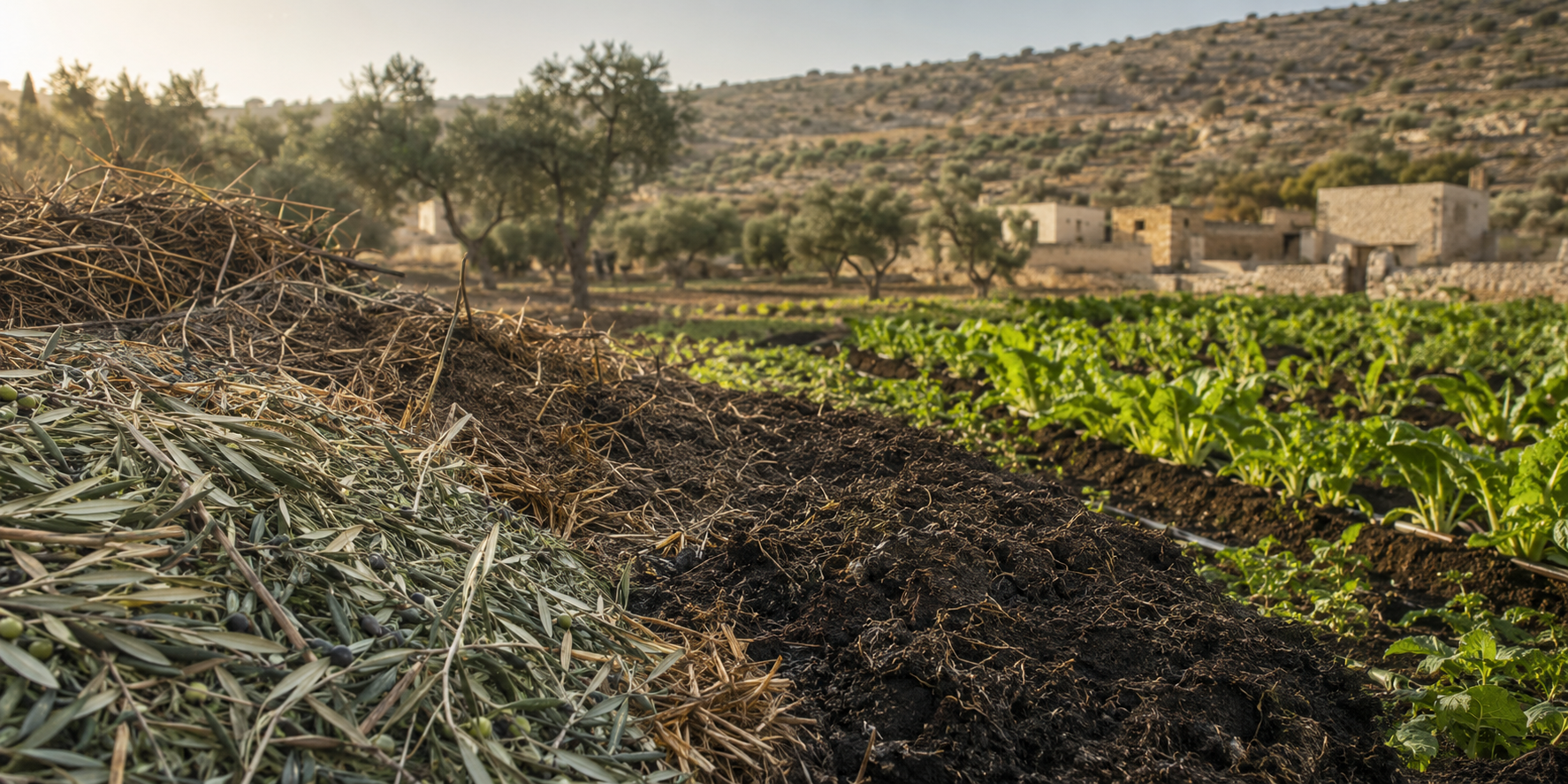
Agricultural residues transformed into valuable resources
Our Activities

Knowledge, Innovation, Sustainable Agriculture, and Circular Economy Development

Our work goes beyond producing organic fertilizers. We are building a platform for knowledge, innovation, sustainable agriculture, and circular economy development.

01

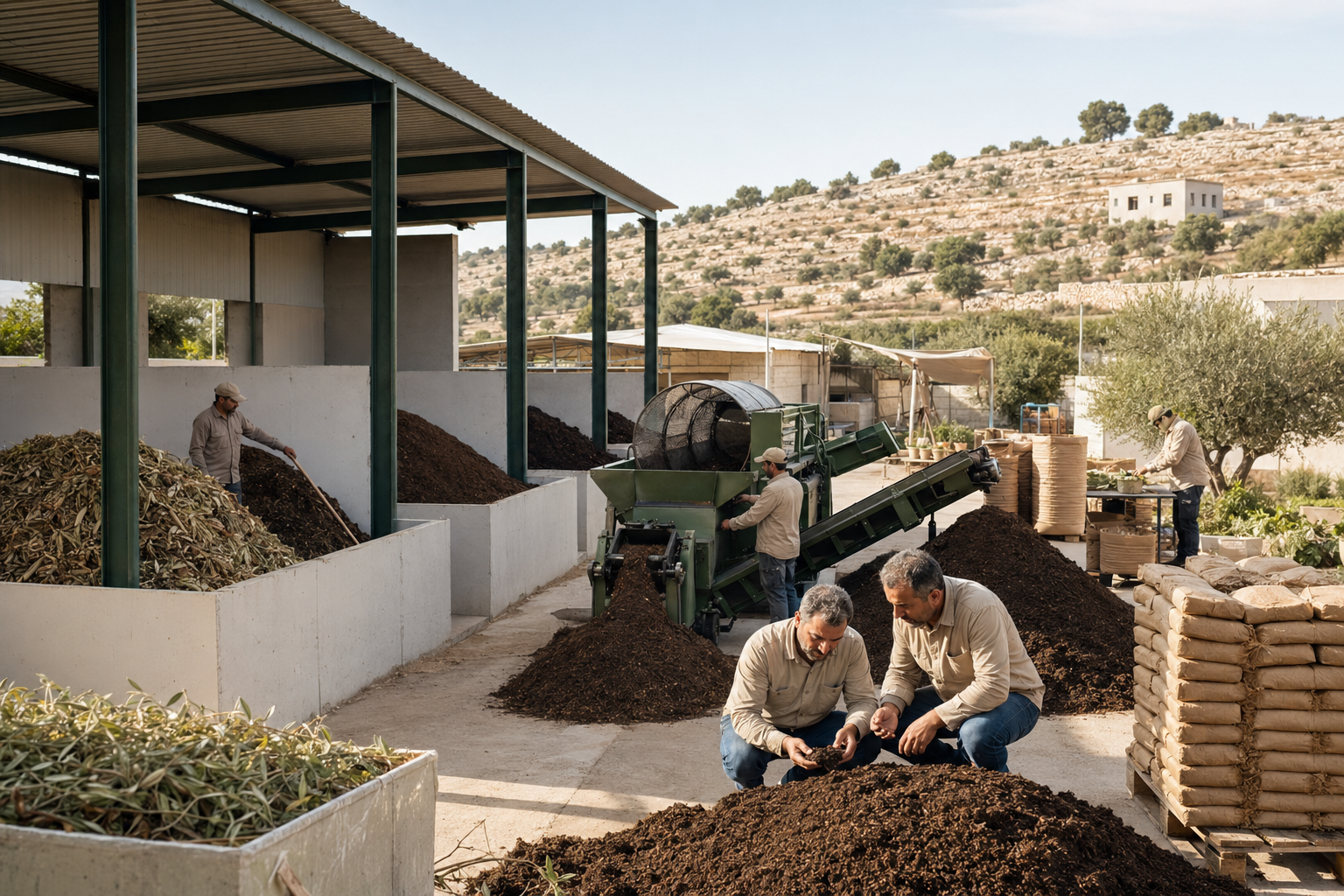
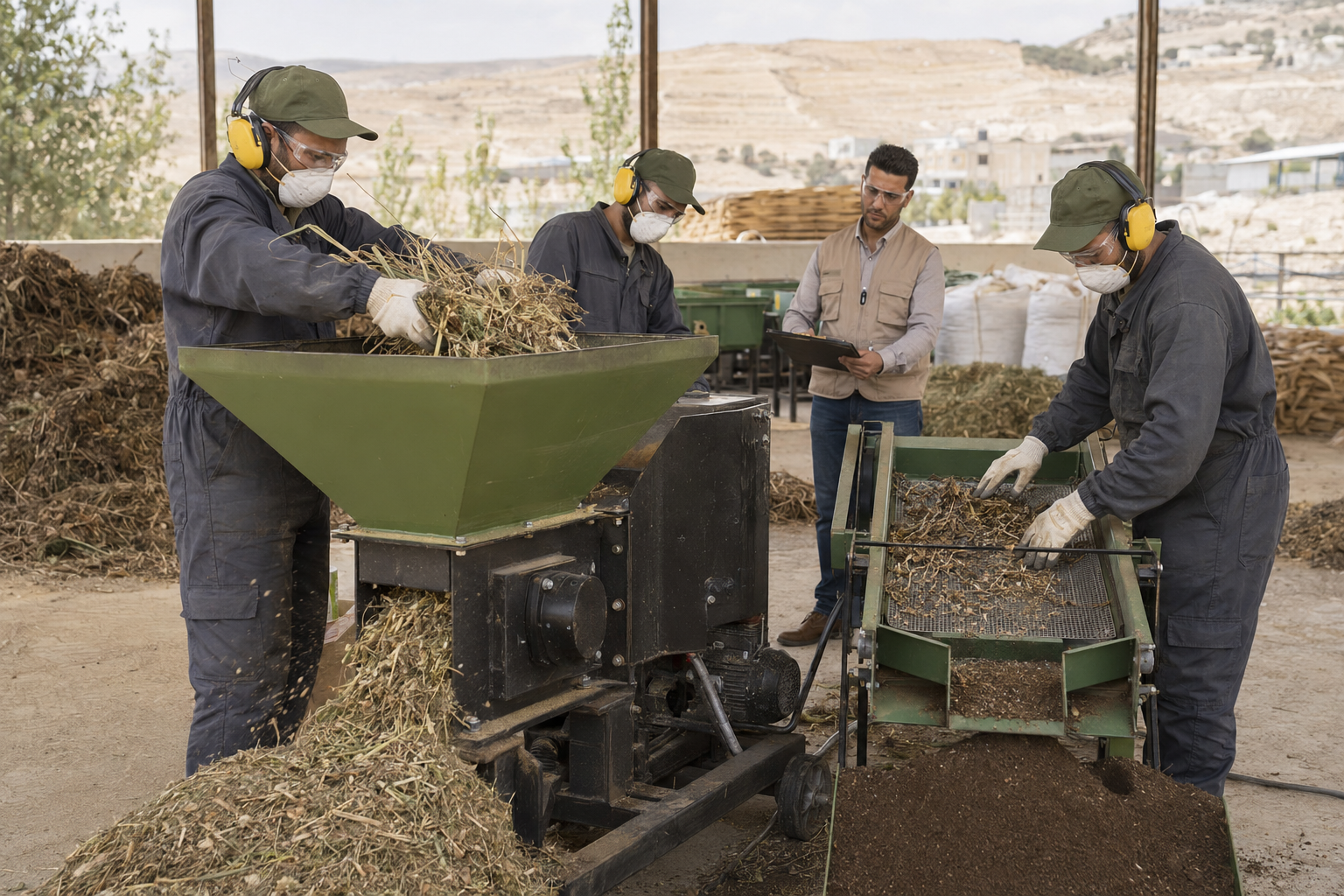
Sustainable Organic Fertilizer Production

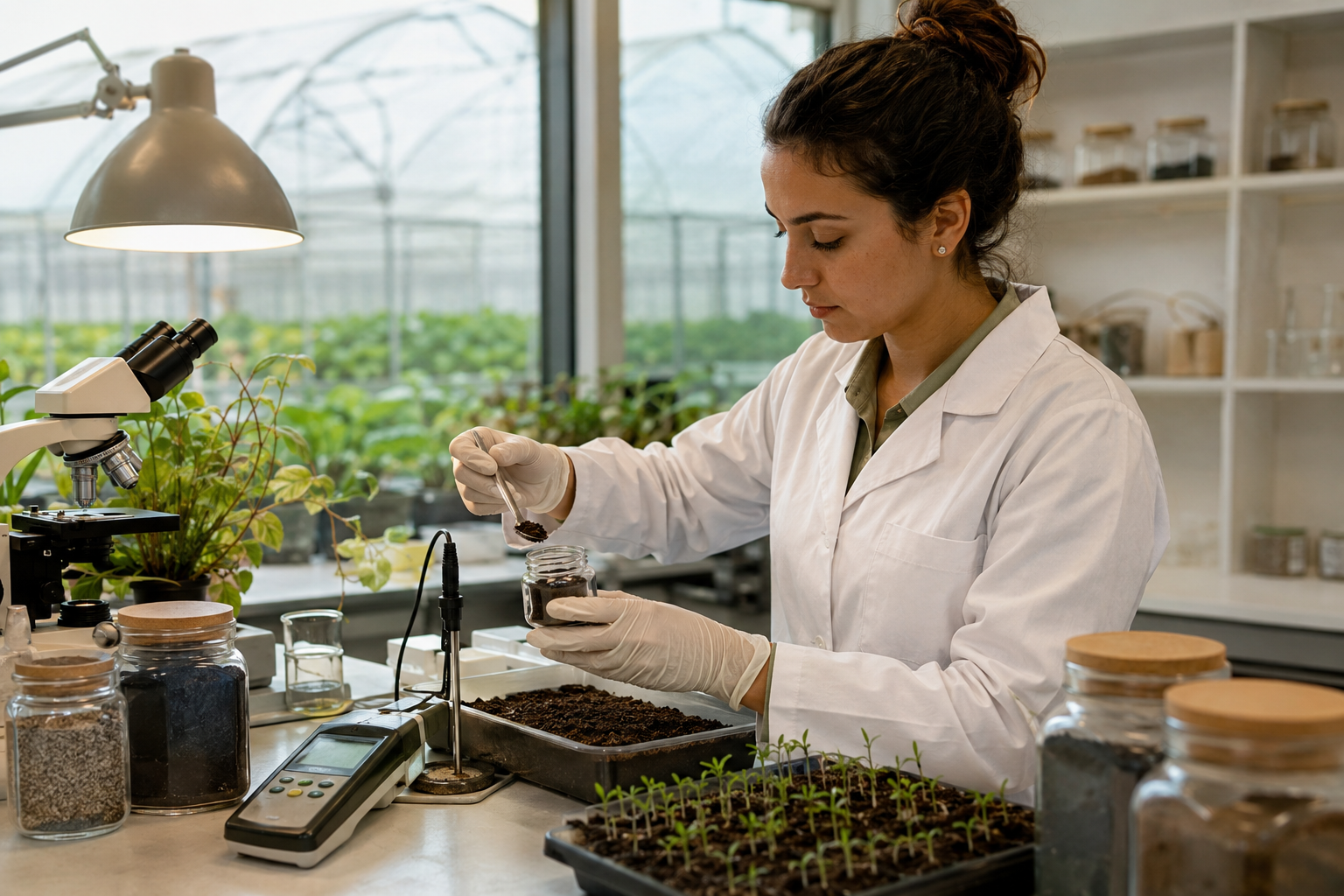
Since 2022, we have continuously produced a range of organic fertilizers and soil amendments, including compost, vermicompost, liquid fertilizers, biochar, and other organic products.

Our production activities focus on converting organic residues into valuable agricultural inputs.
Sustainable Organic Fertilizer Production image
02

Agricultural Waste Management

We work to demonstrate practical ways of transforming agricultural residues and organic waste into useful resources.

Our approach helps reduce waste while creating products that can return nutrients and organic matter to agricultural systems.

Agricultural Waste Management image
03

Collaboration with NARC

We have developed a strong relationship with the National Center for Agricultural Research (NARC).

Our cooperation includes hosting the association within the center's agricultural innovation incubator and benefiting from access to laboratories, technical knowledge, expertise, and innovation opportunities.

This partnership strengthens our ability to test, improve, and develop sustainable agricultural solutions.

Collaboration with NARC image
04

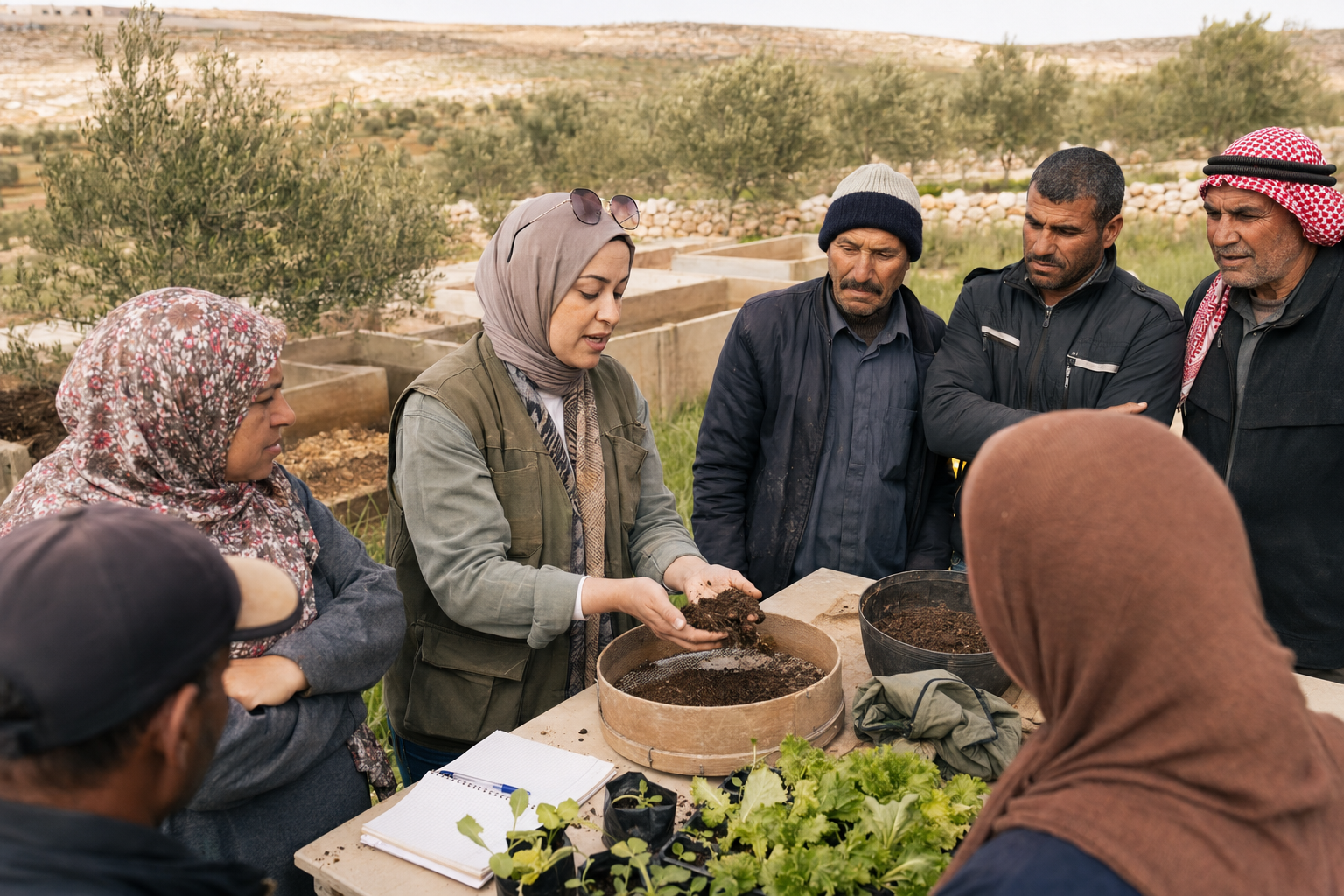
Training and Capacity Building

Our training and awareness activities cover topics such as:

  • Composting, Vermicomposting, Biochar, Bokashi, Organic fertilizer production.
  • Agricultural waste management.
  • Circular economy & Sustainable agriculture.
  • Soil health & Green business development.

We work with farmers, women, youth, workers, communities, organizations, and other stakeholders to promote practical knowledge and skills.

Training and Capacity Building image
05

Supporting Farmers

Our activities aim to help farmers access sustainable agricultural inputs and adopt practices that improve soil health and resource efficiency.

We seek to strengthen the relationship between farmers and circular economy solutions by demonstrating how agricultural residues can become valuable resources.

Supporting Farmers image
06

Supporting Poultry Farms

We have developed market linkages with poultry farms through the sale of compost as bedding material.

This creates a circular pathway where organic materials can be reused, creating value from resources that might otherwise become waste.

Supporting Poultry Farms image
07

Community Engagement

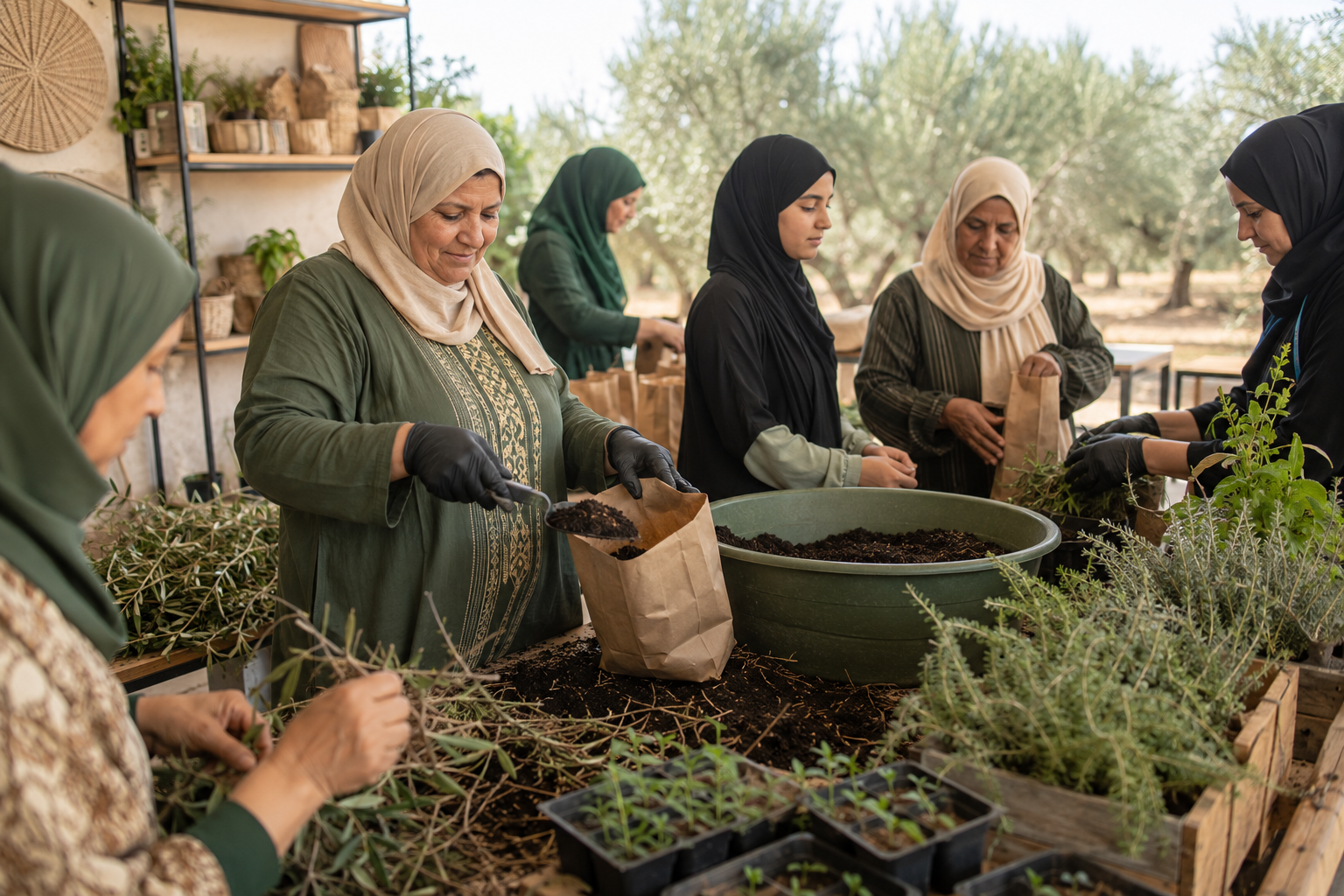
We work to involve local communities in sustainable environmental practices and create opportunities for people to participate in the circular economy.

Our activities seek to empower communities with knowledge and practical tools that can be applied at household, community, and agricultural levels.

Community Engagement image
Knowledge exchange, partnerships, and international delegation — 4:3
Knowledge Exchange and Partnerships

Innovation Grows Through Collaboration

We believe innovation grows through collaboration.

We actively engage with:

  • Research institutions.
  • Agricultural organizations.
  • Cooperatives.
  • NGOs.
  • Government entities.
  • Development partners.
  • Farmers.
  • Private-sector companies.
  • International delegations.

Our experience includes knowledge exchange activities such as hosting a Tunisian delegation interested in learning from our experience and activities.

Our Circular Economy Approach

One Integrated Model

Our activities are connected through one integrated model:

01
Collect

Agricultural residues and organic waste are collected and identified as potential resources.

02
Transform

Waste is processed using appropriate technologies and biological processes.

03
Create

The materials are transformed into valuable products such as compost, vermicompost, biochar, bokashi, and compost tea.

Our GoalZero Waste,
Maximum Value.
04
Return

These products return nutrients and organic matter to agricultural systems.

05
Grow

Healthier soils contribute to more sustainable agricultural production.

06
Repeat

The cycle continues, reducing waste and creating new value.